
Phosphorylation
Phosphorylation is the addition of a phosphate group onto an organic molecule. Protein phosphorylation/dephosphorylation is a highly integrated post-translational modification that ultimately influences the mechanism by which a cell responds to a particular stimulus.
Two classes of enzymatic proteins govern the process of phosphorylation:
- Protein kinases – phosphorylates proteins (adds phosphate groups)
- Protein phosphatases – dephosphorylates proteins (removes phosphate groups)
Protein kinases and phosphatases work independently and in balance to regulate the function of proteins.
Transmission of signals generally involves the reversible phosphorylation of target proteins. Phosphorylation alters the structural conformation of a protein, and can modulate enzymatic activity, influence the structure of a protein, alter the subcellular distribution of the target and facilitate interactions with other proteins.
Phosphorylation has many functions including being an important regulator, activation of molecules, inhibiting protein activity, turning a nonpolar hydrophobic protein into a polar hydrophilic molecule and causing the binding of proteins to activate or inhibit particular cell signaling systems. Concomitantly, the process of de-phosphorylation (the removal of a phosphate group) plays a reciprocal and important role in the regulation of these functions too.
Phospho-specific antibodies are a powerful tool because of their ability to detect protein phosphorylation at very specific sites. This can lead to a highly specific analysis of what is occurring in the cell or cellular pathway under given experimental conditions. They are therefore critical reagents both for basic research and for clinical diagnosis.
View all Phosphorylation Products
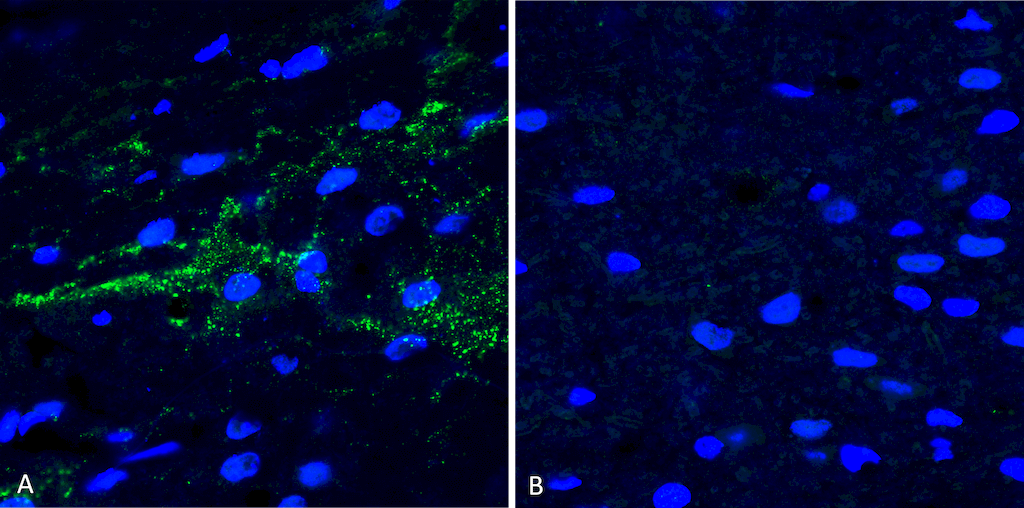
![Rabbit Anti-Alpha Synuclein Antibody (pSer129) [J18] used in Immunocytochemistry/Immunofluorescence (ICC/IF) on Human iPSC-derived neurons (SMC-600)](https://www.stressmarq.com/wp-content/uploads/SMC-600_Alpha-Synuclein-pSer129_Antibody_J18_ICC-IF_Human_iPSC-derived-neurons_1.png)
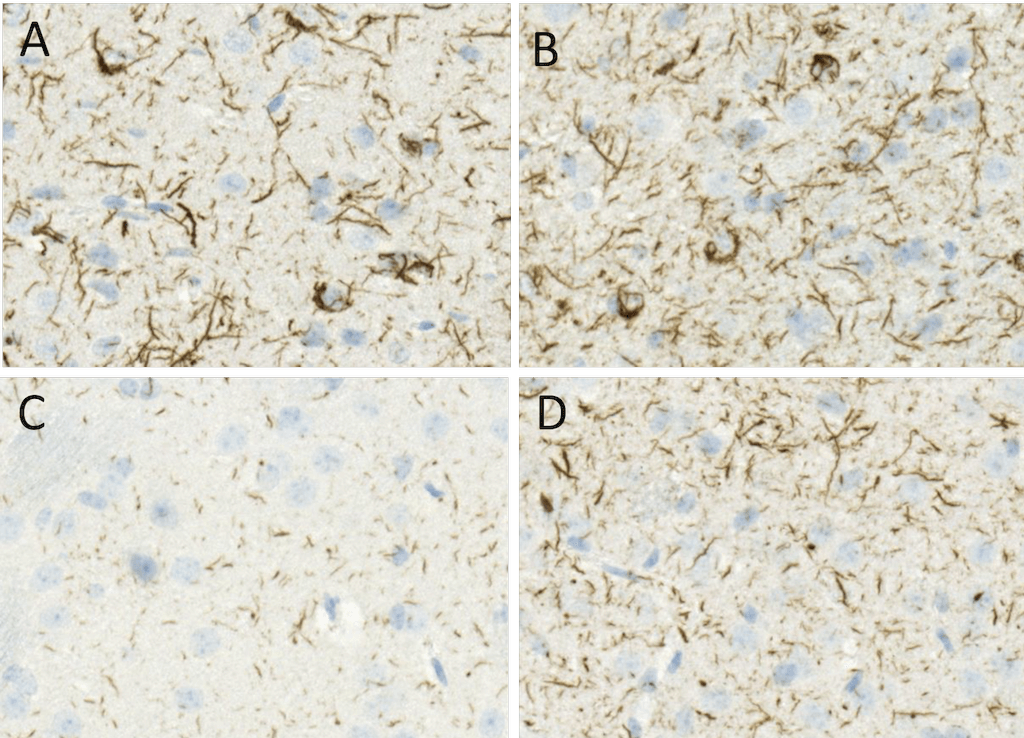
![Rabbit Anti-Alpha Synuclein Antibody (pSer129) [J18] used in Immunohistochemistry (IHC) on Mouse Brain (SMC-600)](https://www.stressmarq.com/wp-content/uploads/SMC-600_Alpha-Synuclein-pSer129_Antibody_J18_IHC_Mouse_Brain_2-3.png)
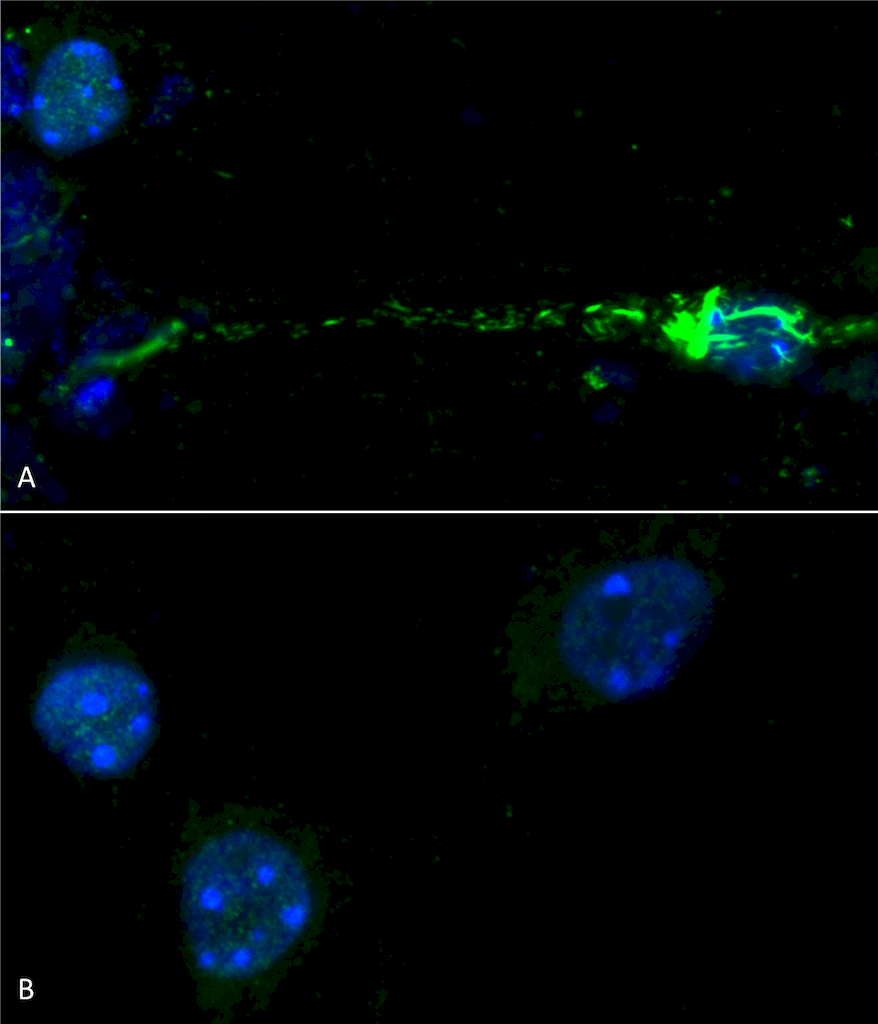
![Rabbit Anti-Alpha Synuclein Antibody (pSer129) [J18] used in Immunocytochemistry/Immunofluorescence (ICC/IF) on Human iPSC-derived neurons (SMC-600)](https://www.stressmarq.com/wp-content/uploads/SMC-600_Alpha-Synuclein-pSer129_Antibody_J18_ICC-IF_Human_iPSC-derived-neurons_2-2.png)
![Rabbit Anti-Alpha Synuclein Antibody (pSer129) [J18] used in Dot Blot (DB) on alpha synuclein peptide (SMC-600)](https://www.stressmarq.com/wp-content/uploads/SMC-600_Alpha-Synuclein-pSer129_Antibody_J18_DB_alpha-synuclein-peptide_1.png)
![Rabbit Anti-Alpha Synuclein Antibody (pSer129) [J18] used in Western Blot (WB) on Human Alpha Synuclein (SMC-600)](https://www.stressmarq.com/wp-content/uploads/SMC-600_Alpha-Synuclein-pSer129_Antibody_J18_WB_Human_Alpha-Synuclein_2.png)
![Rabbit Anti-Alpha Synuclein Antibody (pSer129) [J18] used in Western Blot (WB) on Mouse Brain (SMC-600)](https://www.stressmarq.com/wp-content/uploads/SMC-600_Alpha-Synuclein-pSer129_Antibody_J18_WB_Mouse_Brain_1.png)
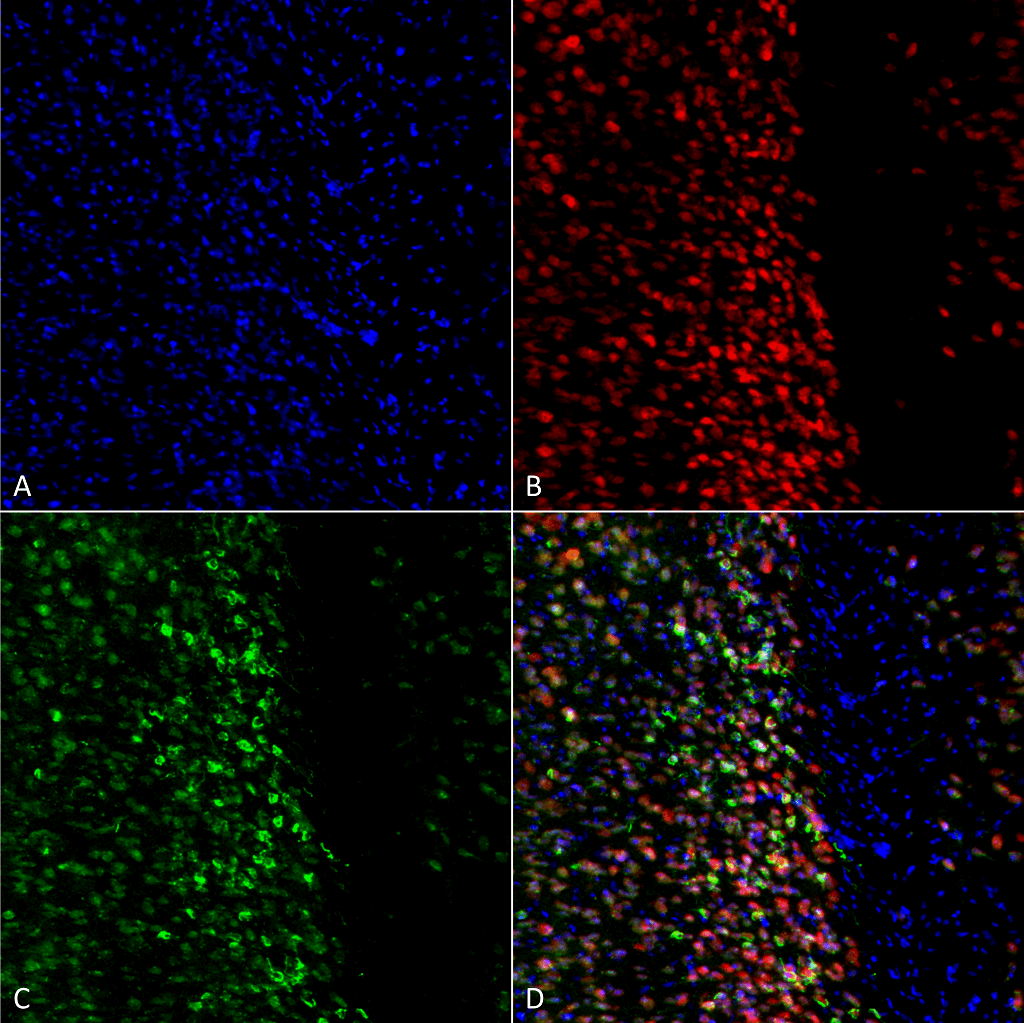
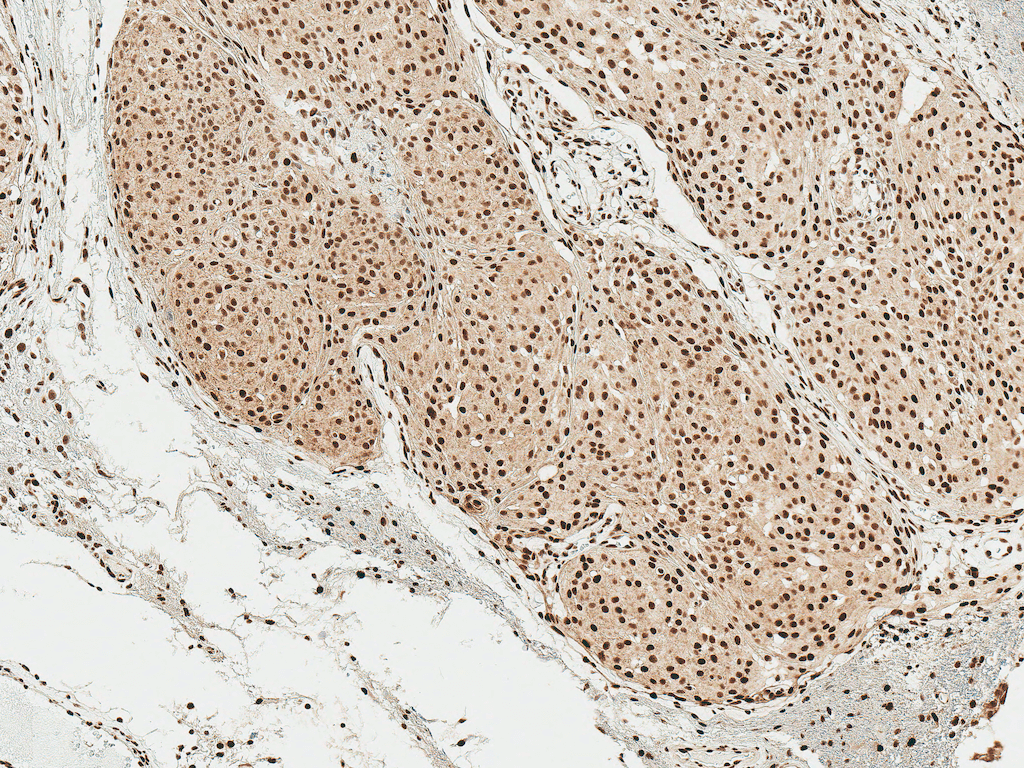
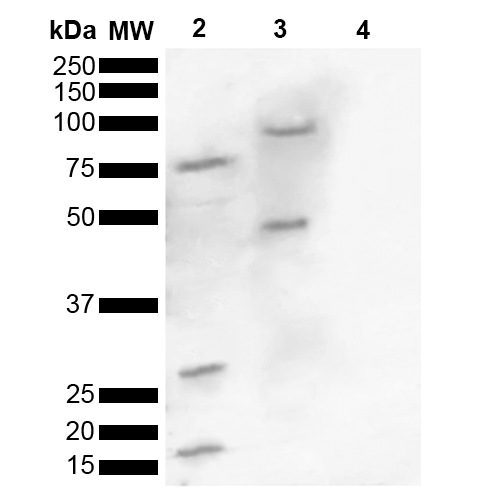
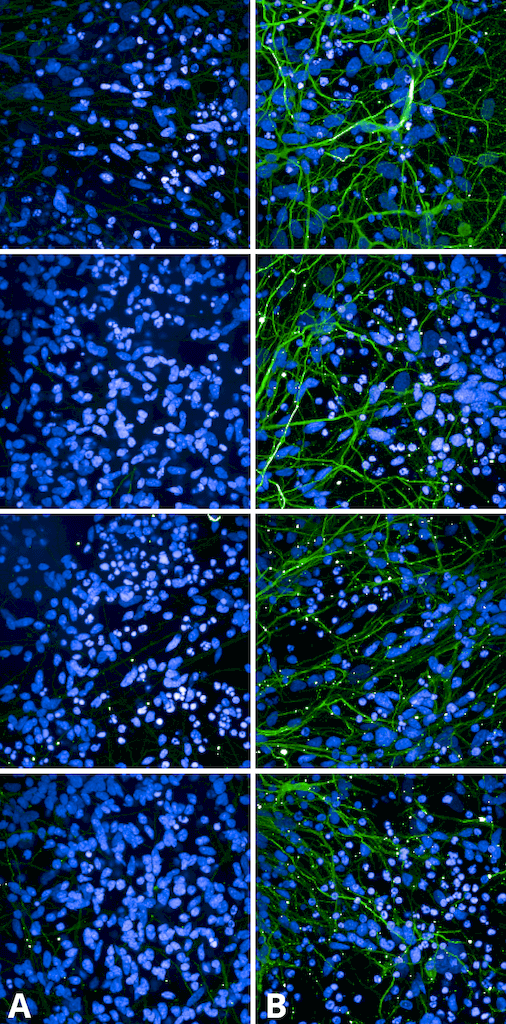
![Rabbit Anti-Tau Antibody (pSer202/ pThr205) [AH36] used in Immunohistochemistry (IHC) on Mouse Brain slice (SMC-601)](https://www.stressmarq.com/wp-content/uploads/SMC-601_Tau_Antibody_AH36_IHC_Mouse_Brain-slice_1.png)
![Rabbit Anti-Tau Antibody (pSer202/ pThr205) [AH36] used in Immunohistochemistry (IHC) on Mouse Brain slice (SMC-601)](https://www.stressmarq.com/wp-content/uploads/SMC-601_Tau_Antibody_AH36_IHC_Mouse_Brain-slice_2.png)
![Rabbit Anti-Tau Antibody (pSer202/ pThr205) [AH36] used in Western Blot (WB) on Human iPSC-derived cortical neurons (SMC-601)](https://www.stressmarq.com/wp-content/uploads/SMC-601_Tau_Antibody_AH36_WB_Human_iPSC-derived-cortical-neurons_1.png)
![Rabbit Anti-Tau Antibody (pSer202/ pThr205) [AH36] used in Dot Blot (DB) on E. Coli, Baculovirus (SMC-601)](https://www.stressmarq.com/wp-content/uploads/SMC-601_Tau_Antibody_AH36_DB_E-Coli-Baculovirus_1.png)
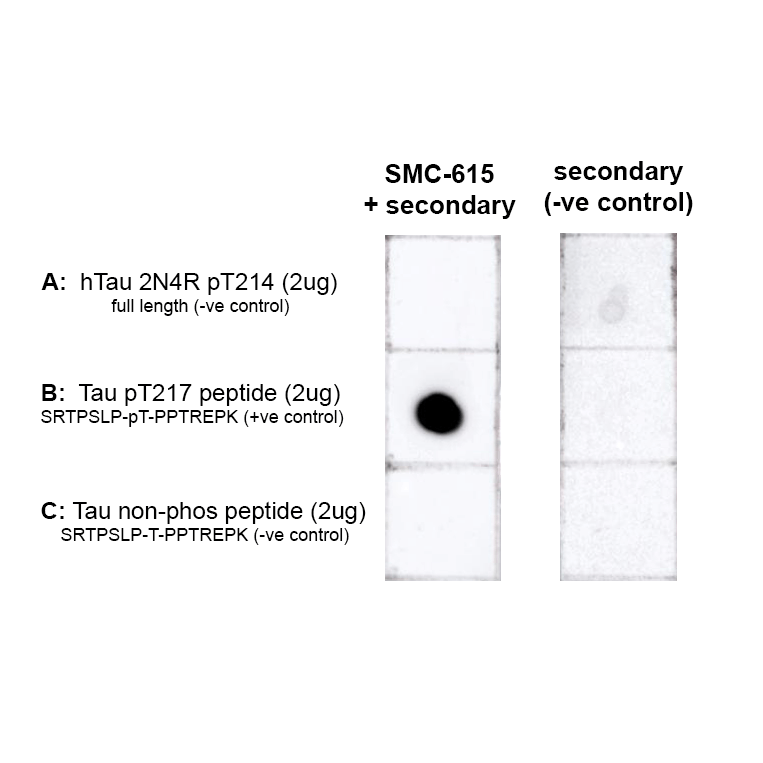
![Mouse Anti-Tau Antibody (pThr217) [15B7] used in Dot Blot (DB) on Human, Mouse, Rat Tau 2N4R P301S (phospho & non-phospho) (SMC-615)](https://www.stressmarq.com/wp-content/uploads/SMC-615_Tau_Antibody_15B7_DB_Human-Mouse-Rat_Tau-2N4R-P301S-phospho-non-phospho_1-2.png)
![Mouse Anti-Tau Antibody (pThr217) [15B7] used in Western Blot (WB) on Human, Mouse, Rat baculovirus expressed hTau 2N4R monomer (SMC-615)](https://www.stressmarq.com/wp-content/uploads/SMC-615_Tau_Antibody_15B7_WB_Human-Mouse-Rat_baculovirus-expressed-hTau-2N4R-monomer_1-1.png)